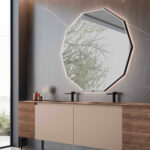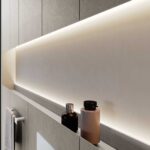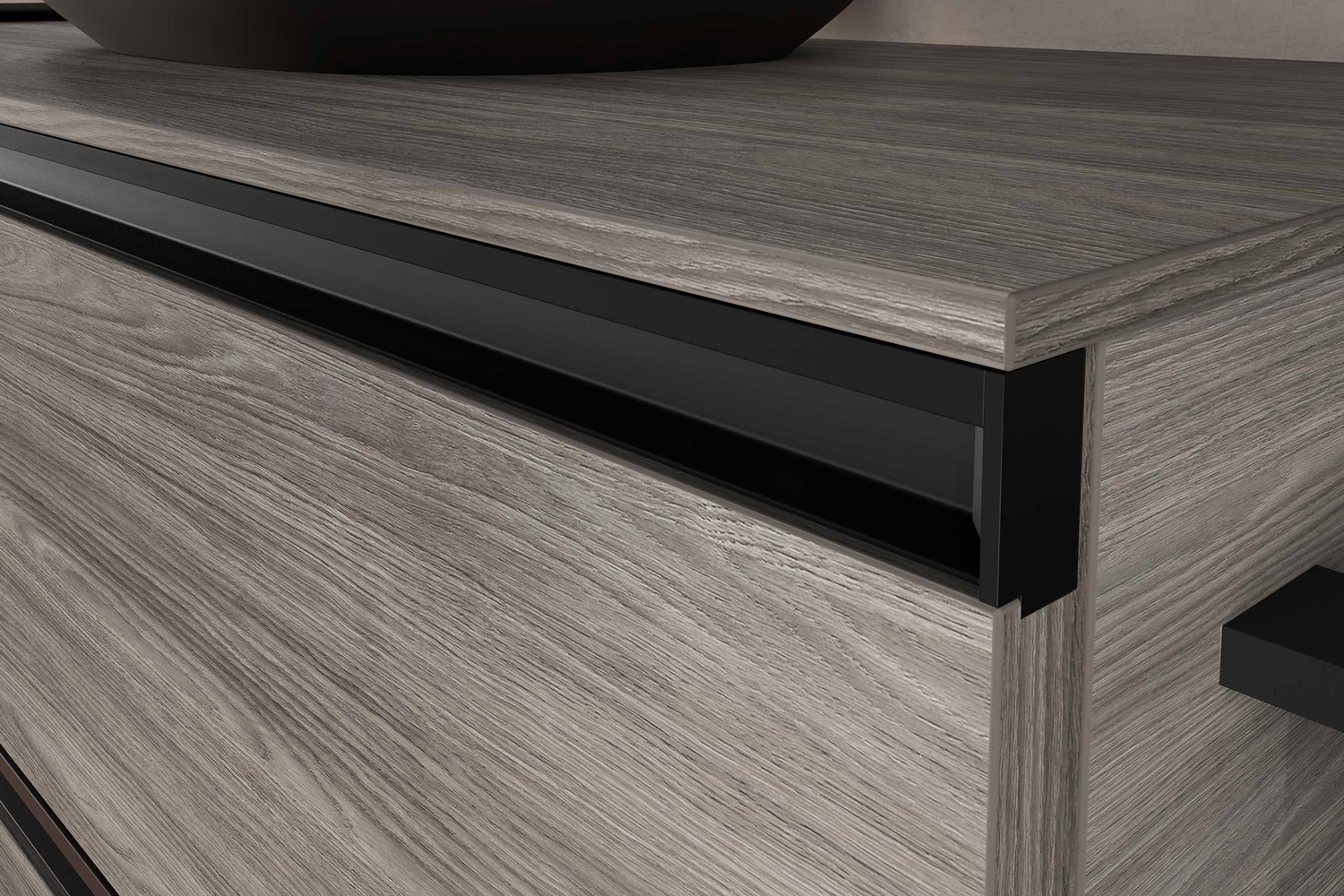
In contemporary bathroom design, the choice of materials affects not only the aesthetic result but also ease of maintenance and the quality of daily use. Among the most popular surfaces for versatility, durability, and visual appeal is HPL, a technical material we frequently use in Azzurra bathroom furniture collections due to its ability to combine design and practicality.
Knowing how to clean HPL surfaces is therefore important to preserve their appearance over time and to properly carry out both routine and deep cleaning. In this guide, we’ll explore what HPL is, where it’s used in Azzurra furniture, and the correct cleaning instructions.
What is HPL
The acronym HPL (High-Pressure Laminate) refers to high-pressure laminate, a material produced through an industrial process regulated by the European standard EN 438. The HPL production cycle is governed by precise standards, and the material is created through the high-pressure thermo-lamination of paper impregnated with resins, resulting in a homogeneous, non-porous surface.
This structure makes HPL particularly suitable for the bathroom environment: it is a durable, stable, and easy-to-work-with material that also offers high aesthetic appeal. The HPL laminates used in Azzurra bathroom furniture collections are resistant to scratches, impacts, abrasions, chemicals, and heat—qualities that make them suitable for many applications in interior design.
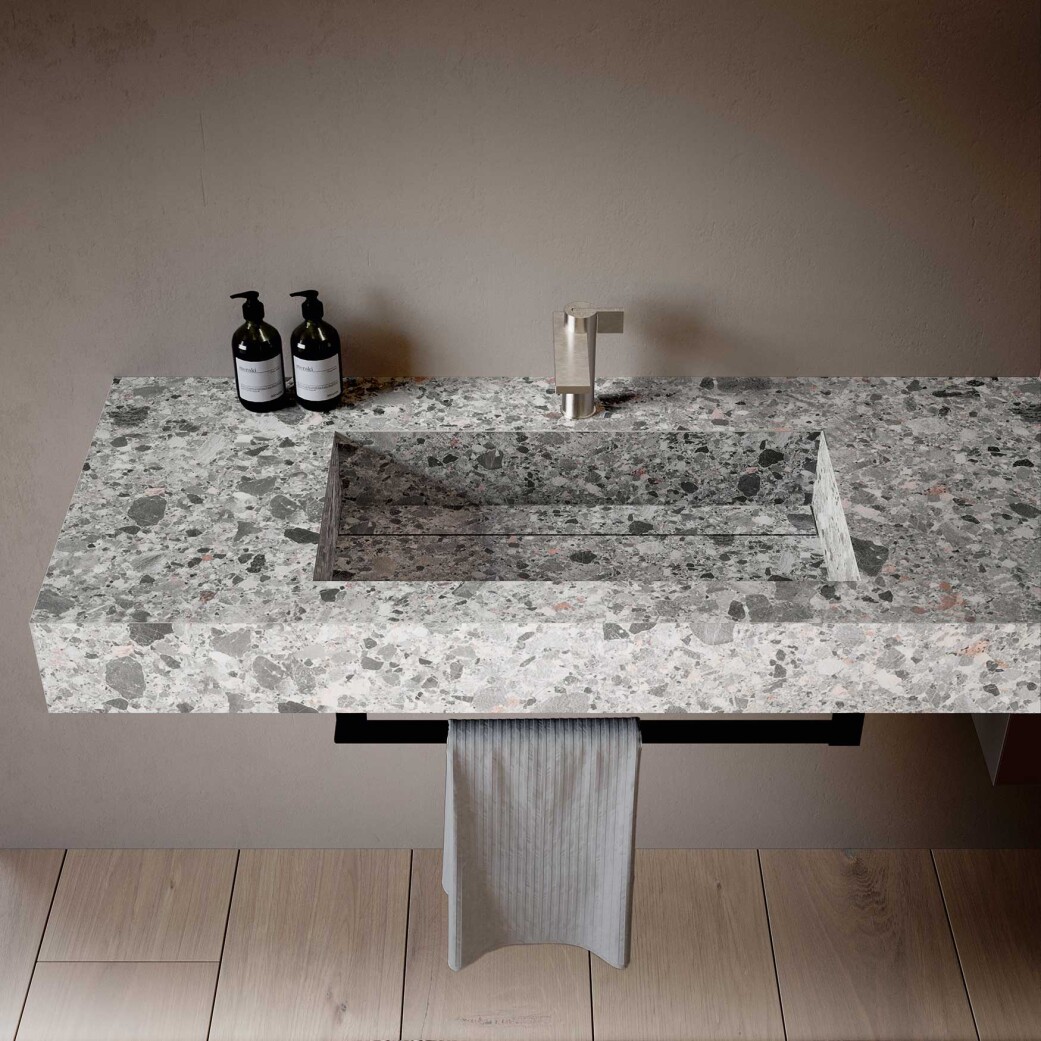
For which elements is HPL used in Azzurra furniture
Within the Azzurra collections, HPL is used to create various bathroom furniture elements. Specifically, it is used for:
- structures
- front panels
- daytime elements
- counters
- counters with integrated sinks
- groove cladding
This variety of applications clearly explains why knowing the correct cleaning methods is so useful: HPL can be found in multiple areas of the bathroom design and plays a decisive role in both the aesthetic identity of the project and its everyday functionality.
Azzurra’s choice: supplier quality and reliability
For its HPL supply, Azzurra relies on Arpa Industriale, a company specializing in the production of laminates with high-quality surfaces, developed to offer extensive freedom in interior design projects and a combination of durability, flexibility, and premium finishes.
This is also a key consideration for designers, retailers, and end customers: choosing a technically reliable material means being able to count on a surface that meets both aesthetic requirements and the demands of daily use.are su una superficie che risponde bene sia alle esigenze estetiche sia a quelle di uso quotidiano.
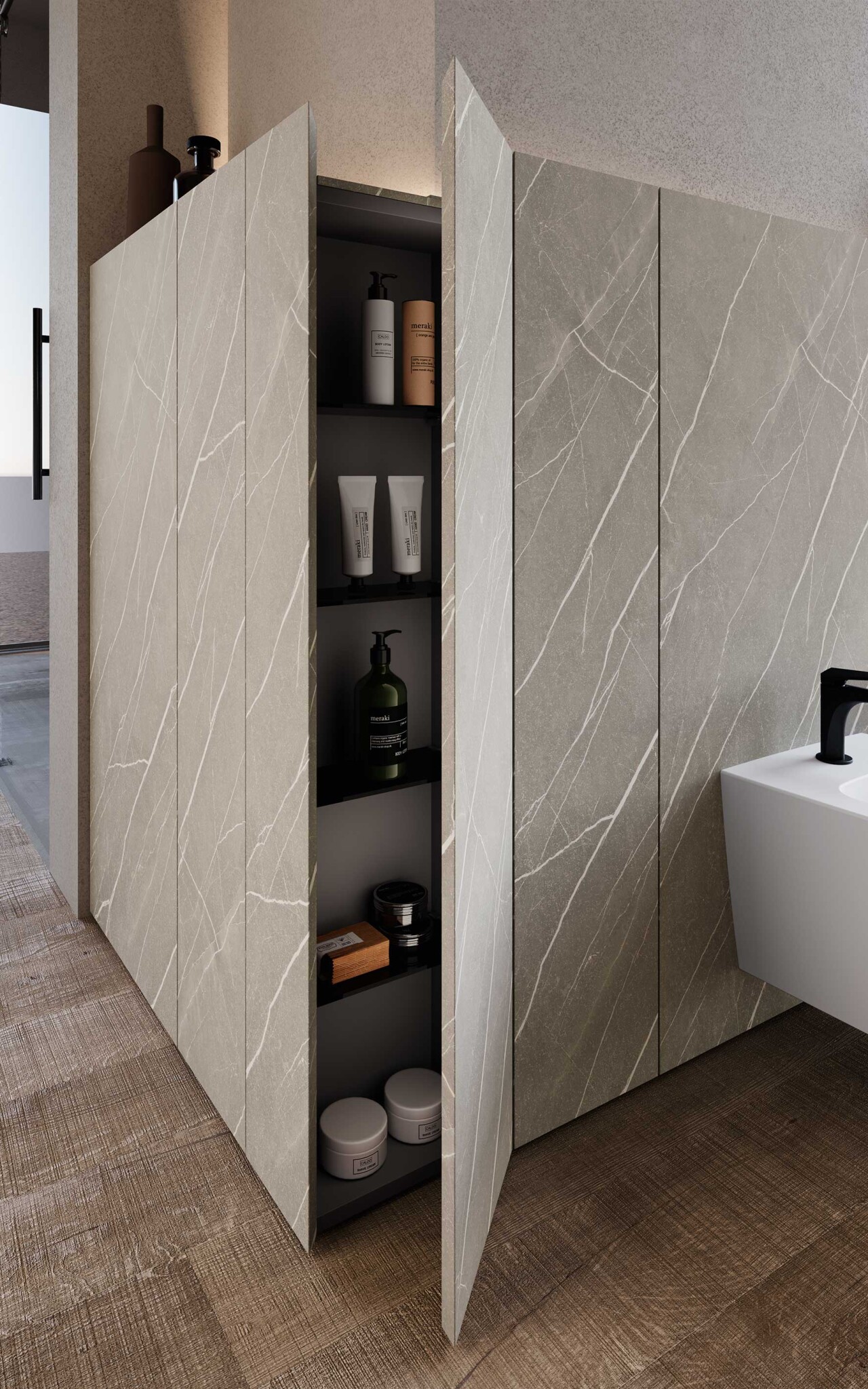
Daily cleaning of HPL surfaces
The good news is that HPL does not require complex maintenance, as indicated by Arpa Industriale. HPL laminates do not require any special treatments beyond normal cleaning, and for daily care, warm water, a soft non-abrasive cloth, and, if necessary, a mild, non-aggressive detergent are sufficient. The compact, non-porous surface can be cleaned and disinfected with hot water and the most common household detergents and disinfectants.
For daily cleaning of HPL in the bathroom, therefore, the advice is simple: regularly remove water residue, dust, and small marks with a damp cloth, avoiding abrasive tools. For heavier soiling, a mild detergent may be added, remembering to rinse thoroughly with warm water and dry with a clean cloth.
This routine is particularly useful for countertops, fronts, and grooves—that is, all those surfaces that are touched most often and are most exposed to splashes, light limescale, or cosmetic product residue.
Deep Cleaning and Stubborn Stains
It may happen that stains that are more difficult to remove, such as makeup, nail polish, or ink, appear on bathroom surfaces. In these cases, Arpa Industriale recommends treating the affected area with suitable solvents, such as alcohol or acetone, applied to a clean cloth, always carefully following the safety instructions provided by the manufacturer. After treatment, it is recommended to complete the procedure by rinsing thoroughly and drying. For paint stains or graffiti, however, the use of specific organic solvents is suggested, always followed by rinsing and drying.
The key point is to treat the area precisely, without overusing aggressive products or applying excessive mechanical force. Even during deep cleaning, the goal is always to preserve the surface’s aesthetic quality.
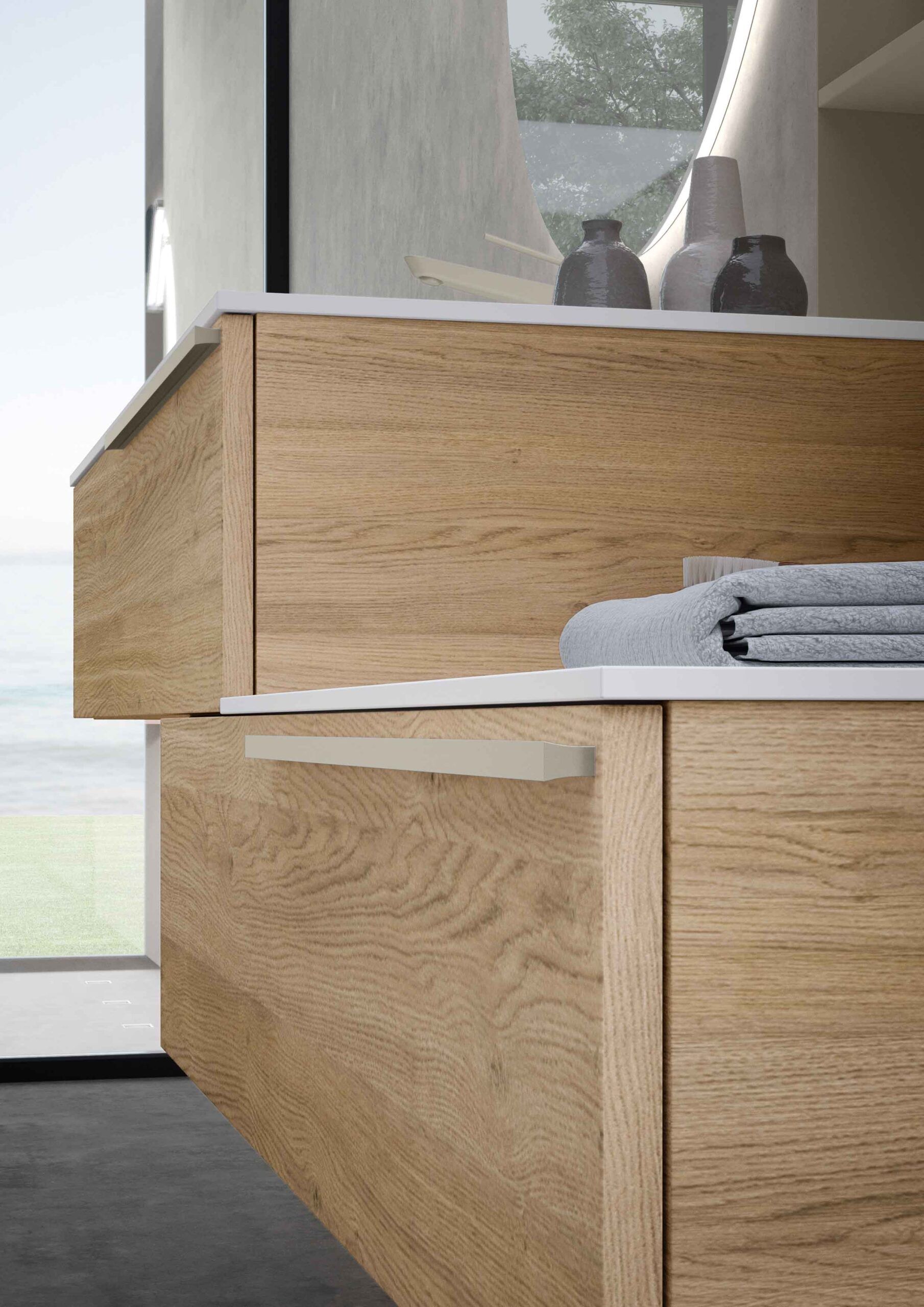
What to Avoid When Maintaining HPL
It is also particularly important to remember which products not to use. HPL is an antistatic material, so it does not attract dust and does not require waxes or products containing them. On the contrary, these very treatments can create a sticky layer that traps dirt and makes the surface harder to clean.
In practice, to properly maintain an HPL surface, it is best to avoid:
- waxes
- wax-based polishing products
- abrasive sponges
- cloths that are too rough
- unnecessarily harsh cleaners for routine cleaning
A technical material that simplifies daily life
In the bathroom, where humidity, water splashes, and frequent use put every surface to the test, HPL proves to be a particularly attractive choice. Its ease of cleaning, combined with its durability and the variety of finishes available, makes it a valuable ally in both new construction projects and renovations aimed at striking a balance between performance and beauty.
For this reason, knowing how to properly clean HPL surfaces in the bathroom is not just a practical matter: it is also a way to better highlight the design and prolong the perceived quality of the furniture over time. With a few simple, consistent steps, HPL countertops, cabinet fronts, grooves, and open shelving can maintain their material texture and visual cleanliness, reliably accompanying daily wellness routines.